
How to Build a Workout Plan for Maximum Efficiency in 2026
Jul 17, 2026 · 14 min read · 3,078 words
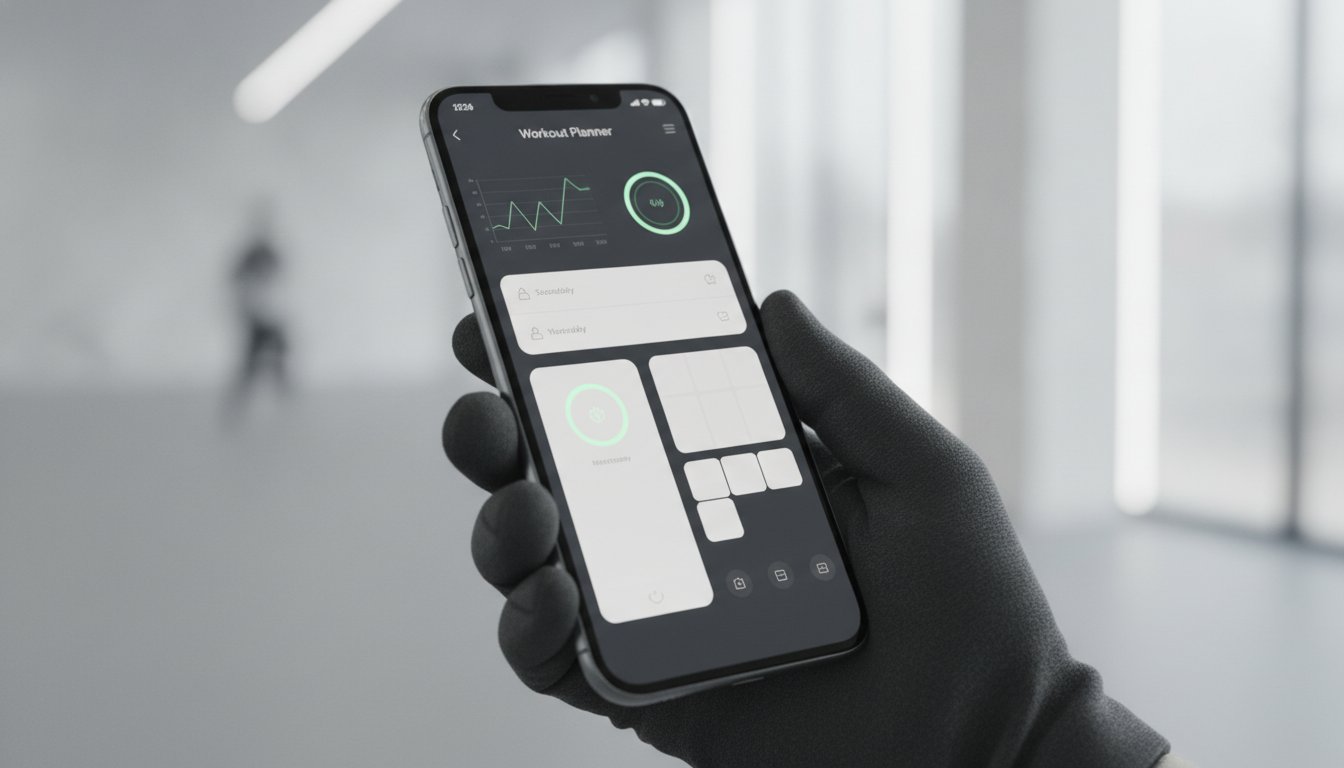
Did you know that 80% of people who start a new fitness routine quit within five months? Most of the time, it isn't a lack of willpower; it is a lack of structure. Learning how to build a workout plan that actually sticks requires more than just picking random exercises from a social media feed. You need a system that accounts for your specific goals and the reality of a busy schedule.
We know the feeling of decision fatigue at the gym. It's exhausting to stare at a generic PDF while wondering if you're actually making progress. You deserve a routine that feels personalized but remains simple to follow. This guide provides the exact step-by-step framework to design a professional-grade routine that adapts to your life and physiology. We've handled the complex logic so you can focus entirely on the movement.
You'll learn how to align your training with the latest 2026 ACSM guidelines, including the specific volume needed for muscle growth. We'll show you how to create an adaptive roadmap that delivers maximum results with minimum wasted time. It's time to replace guesswork with a plan that evolves as you do.
Key Takeaways
- Master the five core movement patterns to build a functional, balanced physique without wasted effort.
- Learn how to build a workout plan that uses the science of sets and reps to hit the physiological sweet spot for your goals.
- Identify the ideal training split for your schedule to ensure you hit every muscle group with the optimal weekly frequency.
- Discover how AI-driven programming replaces rigid, static plans with real-time adjustments based on your daily recovery data.
Table of Contents
- The Foundation: Why Most DIY Workout Plans Fail (and How to Start Right)
- Step 1: Selecting Your Movements (Movement Patterns vs. Muscle Groups)
- Step 2: Programming the Volume (The Science of Sets, Reps, and Rest)
- Step 3: Structuring Your Week (Splits, Frequency, and Adaptive Nutrition)
- The Modern Solution: From DIY Planning to AI-Powered Coaching
The Foundation: Why Most DIY Workout Plans Fail (and How to Start Right)
A workout plan is not just a grocery list of exercises you found on social media. It is a strategic roadmap for your body's evolution. When you are learning how to build a workout plan, you must think beyond Monday's bench press. You are designing a system for progression. Most people fail because they confuse activity with programming. They do random movements and expect specific results. True efficiency starts with a clear path from where you are to where you want to be.
The biggest hurdle for most beginners is the "Static Plan Trap." You've likely seen them: rigid 12-week PDFs that promise a total transformation. These plans look great on paper, but they rarely survive contact with real life. If you miss a session or have a poor night's sleep, the PDF doesn't care. It stays the same while your energy and schedule fluctuate. This lack of flexibility creates decision fatigue. When the plan doesn't adapt to your life, you're more likely to abandon it entirely.
Starting right requires baseline data. In 2026, we don't have to guess about our recovery or readiness. By syncing your plan with health data tools like Apple Health or Health Connect, you get a transparent view of your starting point. This data allows your routine to align with your actual physiology, not a generic template. It removes the friction of manual tracking and lets you focus on the work.
Setting Realistic Goals for 2026
Vague intentions like "getting fit" are the enemies of progress. You need precision to drive results. Instead of a general goal, aim to increase your squat by 20% or reduce your body fat by a specific percentage. Use the SMART criteria: Specific, Measurable, Achievable, Relevant, and Time-bound. Focus on body composition rather than just the number on the scale. A well-designed plan might not change your total weight significantly if you are gaining muscle while losing fat, but it will completely change your physical profile.
Assessing Your Schedule and Constraints
Be honest about your "Minimum Effective Dose." If your career and family only allow for three sessions a week, don't try to force a six-day training split. Consistency beats intensity every single time. Map out your available equipment, whether you are training in a garage or a premium commercial gym. Your plan must be sustainable within your specific environment to be effective. Progressive overload is the systematic increase in the stress placed on the body during exercise to drive continuous physical adaptation.
Step 1: Selecting Your Movements (Movement Patterns vs. Muscle Groups)
Traditional bodybuilding splits often lead to gaps in your physical development. Thinking in movement patterns ensures nothing is missed. When you understand how to build a workout plan based on how the body actually moves, you create a more functional and resilient physique. This approach moves away from isolated "arm days" and toward a more integrated, high-performance model.
The Physical activity guidelines emphasize the importance of strengthening all major muscle groups. To do this efficiently, 80% of your routine should consist of compound movements. These "big" moves involve multiple joints and muscle groups working in unison. This maximizes your time. You get more stimulus in fewer sets, allowing for faster progress with less time spent in the gym.
Don't neglect unilateral work. Movements like split squats or single-arm rows identify and fix imbalances before they become injuries. Balancing your left and right sides is a critical step when learning how to build a workout plan for long-term health. It ensures your dominant side doesn't do all the heavy lifting, which reduces wear and tear on your joints over time.
If you find the selection process overwhelming, you aren't alone. Choosing between a hundred different variations can lead to paralysis. A personalized workout plan can automate this selection process, ensuring your movements are always aligned with your goals while removing the guesswork.
Building the 'Big 5' Framework
Push moves like the bench press or overhead press target the chest and shoulders. Pulling movements, including rows and pull-ups, build a powerful posterior chain. Squats are knee-dominant, while hinges like deadlifts or kettlebell swings are hip-dominant. Finally, core work should focus on stability rather than just flexion. These five pillars form the skeleton of an elite routine.
Adding Accessory Work for Aesthetics
Once the big moves are done, you can add "vanity" exercises. Bicep curls, lateral raises, or tricep extensions help round out your physique. Core stability should involve resisting movement, such as planks or Paloff presses. If a specific machine is busy, don't panic. You can swap a barbell squat for a goblet squat or a cable row for a dumbbell row without losing the intended stimulus.
Step 2: Programming the Volume (The Science of Sets, Reps, and Rest)
Programming the volume is where most people get lost in the weeds. You need a well-rounded exercise plan that balances intensity with recovery. When you are learning how to build a workout plan, the rep range you choose determines your physiological outcome. It is not just about moving weight; it is about sending the right signal to your nervous system and muscle fibers.
Strength is built primarily in the 1 to 5 rep range using heavy loads. Hypertrophy, or muscle growth, thrives in the 6 to 12 rep range. If your goal is endurance, you'll target 15 or more reps per set. Each range has its place, but most efficient plans live in that 6 to 12 "sweet spot" to maximize both size and functional strength. Your rest intervals must match these goals. Heavy strength sets require 3 to 5 minutes of rest, while hypertrophy sets work best with shorter breaks.
Progressive overload is the engine of your success. It is the only way to ensure you don't plateau after the first month. You must do more over time to keep your body adapting. This could mean adding five pounds to the bar, performing one extra rep with the same weight, or even reducing your rest time by ten seconds. Without this systematic increase in stress, your results will stall regardless of how hard you sweat.
Calculating Your Ideal Training Volume
Latest science suggests a target of 10 to 20 sets per muscle group per week for optimal growth. Beginners should always start at the lower end of this range to avoid overtraining. Use RPE (Rate of Perceived Exertion) to measure your effort on a scale of 1 to 10. An RPE of 8 means you finished the set feeling like you could have done two more reps. It's a smart way to stay intense without hitting failure every time. Remember that 'more' isn't 'better'-'recovered' is better.
Mastering Rest and Recovery
Rest is not wasted time; it is ATP recovery. For muscle growth, 90 seconds is often the magic number. This window allows enough recovery for the next set while maintaining the metabolic stress needed for growth. Total rest is usually better for heavy lifting, while active recovery like light walking can help during deload weeks. If your sleep data shows poor recovery, dial back your intensity for the day. Your plan should always adapt to your body's actual readiness.

Step 3: Structuring Your Week (Splits, Frequency, and Adaptive Nutrition)
A workout plan shouldn't be a static document. It's a living, adaptive system. When you're learning how to build a workout plan, you have to look at your entire week as a single unit of progress. Efficiency isn't just about the hour you spend in the gym. It's about how those sessions fit into your life and how your body recovers between them. Most people fail because their schedule is too rigid for their daily reality.
Frequency is a major factor in your success. Research consistently shows that hitting a muscle group twice a week is superior to the traditional once-a-week body part split. This approach keeps protein synthesis elevated and allows you to spread your volume more effectively. It prevents the extreme soreness that often comes with high-volume sessions and keeps you moving consistently throughout the month.
Choosing the Right Split for Your Lifestyle
Your split should match your availability, not just your ambitions. If you're a busy professional, a 3-Day Full Body split is often the best choice. It ensures you hit every muscle group frequently even if you miss a day. For intermediate lifters, a 4-Day Upper/Lower split is the gold standard for strength. If you have maximum time and high recovery capacity, a 6-Day Push/Pull/Legs (PPL) split allows for intense specialization. Don't fall for the 'Rest Day' myth. You don't need to be sedentary. Active recovery like walking or light mobility work actually speeds up the repair process.
Fueling the Work: Nutrition as a Variable
Nutrition isn't a separate pillar; it's a variable that must sync with your training load. This is called adaptive nutrition. On heavy training days, your body requires more fuel to perform and recover. On rest days, you can dial back your calories to maintain your composition. Protein is the most critical component here. Aim for 1.6g to 2.2g of protein per kilogram of body weight to support muscle repair. Designing your nutrition is just as important as knowing how to build a workout plan for long-term health.
Managing these variables manually is where most people quit. You can get a personalized workout plan that handles this complexity for you. TotaCoach automates the math of calorie cycling and protein targets based on your actual movement data. It ensures your nutrition is always in alignment with your training, leaving you to focus entirely on the work.
The Modern Solution: From DIY Planning to AI-Powered Coaching
Manual planning is a powerful skill. It teaches you the fundamental mechanics of how to build a workout plan. However, manual systems eventually hit a ceiling. Life is unpredictable. Decision fatigue often sets in when your schedule gets complicated or your energy levels dip. If you're tired, stressed, or short on time, the mental load of adjusting your own sets and reps can lead to skipped sessions. You need a system that thinks as fast as you move.
AI-powered coaching closes the gap between generic "free PDFs" and high-end personal training. It provides context-aware guidance that a document simply cannot offer. By syncing with Apple Health or Health Connect, the system sees the full picture of your day. If your resting heart rate is high or your sleep was fragmented, the AI adjusts your intensity automatically. This prevents burnout and keeps you on the path to long-term progress. A human coach might charge hundreds of dollars a month for this level of attention, and they still aren't available at 5:00 AM when you're starting your first set.
Automating Progressive Overload
We've established that progressive overload is the engine of results. But calculating the exact weight jump for every exercise across multiple weeks is tedious. AI removes the guesswork. It tracks your personal bests and suggests the next logical step in real-time. You never have to wonder if you're lifting enough to trigger adaptation. TotaCoach Pro delivers these professional-grade adjustments for a fraction of the cost of traditional coaching. It handles the heavy lifting of analysis so you can focus entirely on the movement.
24/7 Support for Form and Motivation
Flexibility is the key to longevity. Sometimes the squat rack is taken, or an old injury flares up mid-session. Instead of guessing a replacement and potentially ruining your split, you can use the AI coaching chat. Ask "What can I replace lunges with?" and receive an instant, biomechanically sound alternative. You can also get immediate feedback on your nutrition and meal logging. This constant support ensures you never feel stuck or overwhelmed by the technical details of your fitness journey.
The transition from a DIY routine to an adaptive system is the natural evolution for anyone serious about efficiency. It removes the friction of planning and leaves you with a clear, actionable roadmap every single day. Start your adaptive fitness journey with TotaCoach Pro today and experience a plan that actually evolves with you.
Take Command of Your Fitness Future
You now have the fundamental framework for how to build a workout plan that actually delivers results. We've moved from the "static plan trap" to a system based on core movement patterns and science-backed volume. By prioritizing compound lifts and structuring your week around your actual recovery capacity, you've already bypassed the common mistakes that cause 80% of beginners to quit. Efficiency is about removing friction and focusing on what drives progress.
While manual planning is a great starting point, the most successful routines in 2026 are those that adapt in real-time. You don't have to handle the complex math of progressive overload alone. The hard work of analysis should never get in the way of your actual training.
Build your perfect, adaptive workout plan with TotaCoach Pro. With unlimited 24/7 AI coaching and adaptive nutrition planning, you get a routine that syncs with Apple Health and Health Connect to evolve as you do. You've done the research and learned the logic. Now, take the first step toward a stronger, more organized version of yourself. Your best performance is waiting.
Frequently Asked Questions
How many days a week should a beginner work out?
Beginners should aim for three days per week. This frequency provides a balance between providing enough stimulus for muscle growth and allowing for full recovery. A full-body approach is usually the most efficient choice for this schedule. It ensures you hit every major muscle group frequently without the risk of overtraining early on.
Can I build muscle with just bodyweight exercises?
You can absolutely build muscle using only bodyweight movements. The key is applying the same principles of progressive overload used in weightlifting. You can increase the challenge by slowing down your tempo, reducing rest intervals, or moving to more difficult variations like single-leg squats or decline push-ups. Your muscles respond to tension, regardless of the source.
What is the best workout split for weight loss?
A high-frequency full-body split is highly effective for weight loss. This structure maximizes calorie expenditure during each session while helping you preserve lean muscle mass. While the split is important, remember that fat loss is primarily driven by your nutrition. Your workout plan should focus on maintaining strength while your diet handles the calorie deficit.
How long should a typical workout session last?
An efficient workout session should last between 45 and 60 minutes. If you focus on compound movements and keep your rest periods disciplined, you don't need hours in the gym. Quality of effort and movement precision are much more important than the total time spent on the floor. Long sessions often lead to a drop in intensity and focus.
How do I know if I'm lifting heavy enough?
Use the Rate of Perceived Exertion (RPE) scale to monitor your intensity. You are lifting heavy enough if you finish a set feeling like you could have only performed one or two more reps with good form. This is a vital part of how to build a workout plan that delivers results. If you finish a set feeling like you could easily do five more reps, you need to increase the weight.
Should I do cardio before or after my weight training?
You should perform your cardio after your weight training. This ensures your glycogen stores are fresh for lifting, which requires the most focus and explosive energy. A brief 5-minute warm-up is fine to get your blood flowing, but save the intense aerobic work for the end of your session to maximize your strength gains.
How often should I change my workout routine?
Stick with a consistent routine for 8 to 12 weeks before making major changes. This window allows your body to master the specific mechanics of each lift and achieve measurable progress. When learning how to build a workout plan, remember that consistency is more valuable than variety. Changing exercises too often makes it difficult to track your progressive overload accurately.
What should I do if I miss a scheduled workout?
Simply resume your plan with the next scheduled session. Don't try to "double up" or add extra sets to make up for the missed day, as this often leads to excessive fatigue. One missed session won't ruin your progress. It's your total consistency over months and years that determines your physical transformation, not a single hour.
Frequently asked questions
How many days a week should a beginner work out?
Beginners should aim for three days per week. This frequency provides a balance between providing enough stimulus for muscle growth and allowing for full recovery. A full-body approach is usually the most efficient choice for this schedule. It ensures you hit every major muscle group frequently without the risk of overtraining early on.
Can I build muscle with just bodyweight exercises?
You can absolutely build muscle using only bodyweight movements. The key is applying the same principles of progressive overload used in weightlifting. You can increase the challenge by slowing down your tempo, reducing rest intervals, or moving to more difficult variations like single-leg squats or decline push-ups. Your muscles respond to tension, regardless of the source.
What is the best workout split for weight loss?
A high-frequency full-body split is highly effective for weight loss. This structure maximizes calorie expenditure during each session while helping you preserve lean muscle mass. While the split is important, remember that fat loss is primarily driven by your nutrition. Your workout plan should focus on maintaining strength while your diet handles the calorie deficit.
How long should a typical workout session last?
An efficient workout session should last between 45 and 60 minutes. If you focus on compound movements and keep your rest periods disciplined, you don't need hours in the gym. Quality of effort and movement precision are much more important than the total time spent on the floor. Long sessions often lead to a drop in intensity and focus.
How do I know if I'm lifting heavy enough?
Use the Rate of Perceived Exertion (RPE) scale to monitor your intensity. You are lifting heavy enough if you finish a set feeling like you could have only performed one or two more reps with good form. This is a vital part of how to build a workout plan that delivers results. If you finish a set feeling like you could easily do five more reps, you need to increase the weight.
Should I do cardio before or after my weight training?
You should perform your cardio after your weight training. This ensures your glycogen stores are fresh for lifting, which requires the most focus and explosive energy. A brief 5-minute warm-up is fine to get your blood flowing, but save the intense aerobic work for the end of your session to maximize your strength gains.
How often should I change my workout routine?
Stick with a consistent routine for 8 to 12 weeks before making major changes. This window allows your body to master the specific mechanics of each lift and achieve measurable progress. When learning how to build a workout plan, remember that consistency is more valuable than variety. Changing exercises too often makes it difficult to track your progressive overload accurately.
What should I do if I miss a scheduled workout?
Simply resume your plan with the next scheduled session. Don't try to "double up" or add extra sets to make up for the missed day, as this often leads to excessive fatigue. One missed session won't ruin your progress. It's your total consistency over months and years that determines your physical transformation, not a single hour.
Put it into practice with TotaCoach
Get a personalized workout plan, effortless meal logging, and an AI coach that keeps you consistent — all in one app.
Keep reading

Adaptive Workout Programming: The 2026 Guide to a Flexible Workout Exercises Schedule
Tired of workout plans that fall apart? Learn adaptive workout programming to create a flexible schedule that adjusts to your life and prevents burnout.
Jul 20, 2026 · 15 min read

Workout Plans That Work: The Science of Adaptive Training in 2026
Find workout plans that work in 2026. Ditch rigid schedules and learn how adaptive, science-backed training delivers sustainable results for your busy life.
Jul 19, 2026 · 15 min read
AI Fitness Coach: The Ultimate Guide to Smarter Training in 2026
Unlock smarter training with an AI fitness coach. This guide reveals how adaptive tech provides 24/7 guidance for predictable muscle growth and nutrition.
Jul 18, 2026 · 15 min read